As a Missouri resident with a loved one in a nursing home, you understand the trust you place in these facilities. You expect quality care, respect, and a safe environment for your family member. Unfortunately, nursing home abuse remains a serious concern, and certain factors make residents particularly vulnerable. It's crucial for families to understand why it happens and what to look for.
Dependence on Caregivers
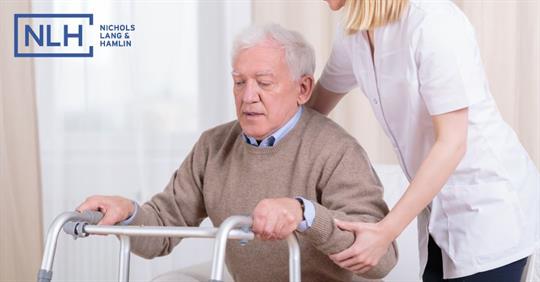
One of the primary reasons nursing home residents are vulnerable is their inherent dependence on caregivers for daily needs. Many residents require assistance with eating, bathing, dressing, and mobility. This reliance creates a power imbalance, where residents may fear retaliation if they report abuse or neglect. They might worry about being denied essential care or facing further mistreatment. This fear can silence victims, making it challenging for abuse to be detected.
Cognitive Impairment and Communication Barriers
A significant number of nursing home residents suffer from some form of cognitive impairment, such as dementia or Alzheimer's disease. These conditions can severely limit a resident's ability to communicate what they are experiencing. They may not be able to articulate details of abuse, or their reports might be dismissed as confusion. Even residents without cognitive impairment can face communication barriers due to physical disabilities, speech impediments, or language differences, further isolating them and making them easy targets for abusers.
Isolation and Limited Visitation
While many families strive to visit their loved ones regularly, some residents may have limited contact with the outside world. This isolation can create an environment where abuse can go unnoticed for extended periods. When there are fewer eyes on the resident and fewer opportunities for them to confide in someone, abusers have more leeway to act without immediate consequence. Facilities that restrict visitation or make it difficult for families to connect can exacerbate this issue.
Understaffing and Inadequate Training
Sadly, many nursing homes struggle with understaffing and high turnover rates. When staff members are overworked, stressed, and inadequately trained, the risk of neglect and abuse increases significantly. Staff may become impatient, frustrated, or simply unable to provide the level of care needed, leading to lapses that can result in harm. Lack of proper training in identifying and preventing abuse, or in handling residents with challenging behaviors, can also contribute to dangerous situations.
Lack of Oversight and Reporting Failures
Despite regulations and oversight bodies, abuse can still slip through the cracks. Some facilities may have poor internal reporting systems, or staff members might be reluctant to report colleagues, fearing repercussions. Additionally, families may not know how or where to report suspected abuse, leading to delayed intervention. The complex nature of investigations and the burden of proof can also make it difficult to hold abusers and negligent facilities accountable.
Your Role in Protecting Your Loved One
Understanding these vulnerabilities is the first step in protecting your family member. Be an active advocate. Visit often, observe carefully, and ask questions. If you notice any changes in your loved one's physical or emotional well-being or suspect any form of abuse or neglect, do not hesitate to act.
At Nichols Lang & Hamlin, we are dedicated to helping Missouri families navigate these challenging situations. If you suspect your loved one is a victim of nursing home abuse or neglect, we encourage you to contact us for a confidential consultation. Your family deserves justice and peace of mind.
Call us today at (314) 309-2301.